
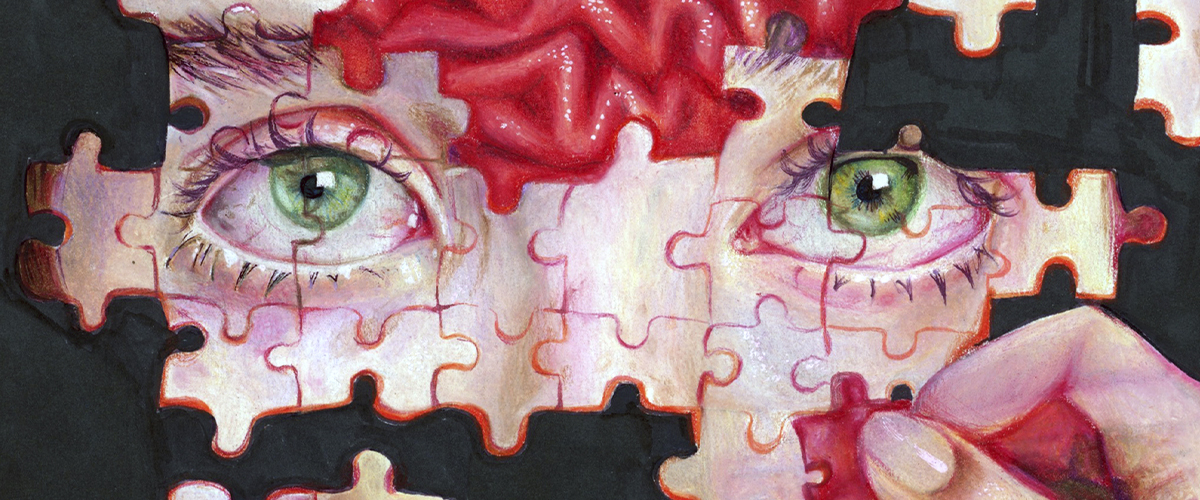
The Quiet Symphony of a Broken Heart Slowly Healing

November 6, 2025
The Quiet Symphony of a Broken Heart Slowly Healing
We are taught that a broken heart is a cacophony—a sudden, shattering crash of grief, anger, and disbelief. But in the aftermath of the collapse, after the initial shock has faded, a different sound emerges. It is not silence, but a quiet symphony. This is the slow, often imperceptible music of healing, a composition written not in grand gestures, but in the soft, hesitant notes of a heart learning to beat in a new rhythm, forever changed by its fracture.
The first movement of this symphony is not music at all, but the hollow absence of it. This is the Adagio of Numbness. The world loses its texture and color, becoming a flat, grey landscape. The simplest tasks—breathing, eating, moving—feel like monumental efforts performed under water. The heart is not in pain; it is in shock, protecting itself with a thick blanket of nothingness. This is not a failure to feel, but the orchestra gathering itself, taking a collective, silent breath before the true performance begins.
Then, the Andante of Memory begins. A single, piercing note—a scent, a song, a place—can trigger a flood of unbidden recollections. But these are no longer the sharp shards of initial grief. They are softer, more complex melodies of joy and loss intertwined. You remember the laughter, but also the quiet moments of comfort. This movement is painful, yes, but it is also the beginning of integration. You are not being attacked by the past; you are listening to it, allowing it to become a part of your history rather than a weapon against your present.
As the memories lose their sharp edges, the Scherzo of Small Reclamations emerges. This is a light, tentative movement, full of unexpected grace notes. It is the first genuine laugh that catches you by surprise. The conscious decision to cook a meal you love, just for yourself. The afternoon you spend lost in a book, forgetting your grief for a whole hour. These are not signs that you are “over it.” They are proof that your spirit, like a determined seedling, is pushing its way toward the light, asserting its own aliveness in small, defiant acts.
The symphony’s central movement is the Largo of Loneliness. This is the deepest and most profound part of the composition. It is not about missing a person, but about confronting the self that remains. In this quiet space, you are forced to sit with your own company. You learn the difference between being alone and being lonely. You begin to rebuild a relationship with yourself, discovering reserves of strength and facets of your identity that were previously obscured by the “we.” This movement is slow and often dark, but it forges a new and unshakeable foundation.
With this foundation comes the Rondo of Recurrence. The themes of grief and healing do not progress in a straight line; they spiral. A wave of sadness may return on an anniversary or a Tuesday for no reason at all. But in this movement, you are no longer drowned by it. You have learned the melody. You know it will pass. You have built a raft of self-compassion, and you can observe the pain from a new, slightly safer distance. Each recurrence is met with a little more resilience, a little less fear.
Gradually, almost without notice, the Finale: A New Harmony begins to compose itself. This is not a return to the old song. The heart’s original key has been permanently altered. There is a new depth, a resonance born of survival. You find you can love more deeply because you understand fragility. You can experience joy more fully because you have known its absence. The scar tissue has become a part of your strength, a reminder not just of the break, but of your body’s incredible capacity to mend. The symphony does not end with a triumphant crash of cymbals, but with a sustained, peaceful chord—the sound of a heart that is whole, not because it is unbroken, but because it has learned how to hold its breaks as part of its unique and beautiful music.
The quiet symphony of a healing heart is the most personal composition one will ever know. It is played in an empty concert hall for an audience of one. Its tempo is irregular, its movements unpredictable. But for those who listen closely to its progress, it offers a profound truth: healing is not an event, but a process. It is not the erasure of pain, but the transformation of it into something layered, complex, and ultimately, beautiful. It is the evidence that even in our most shattered states, we are still, and always, a work of art in progress.